Seven checks before you pay for medical equipment
Counterfeit and refurbished-as-new equipment costs facilities money and puts patients at risk. These checks take an afternoon and catch most problems before payment.
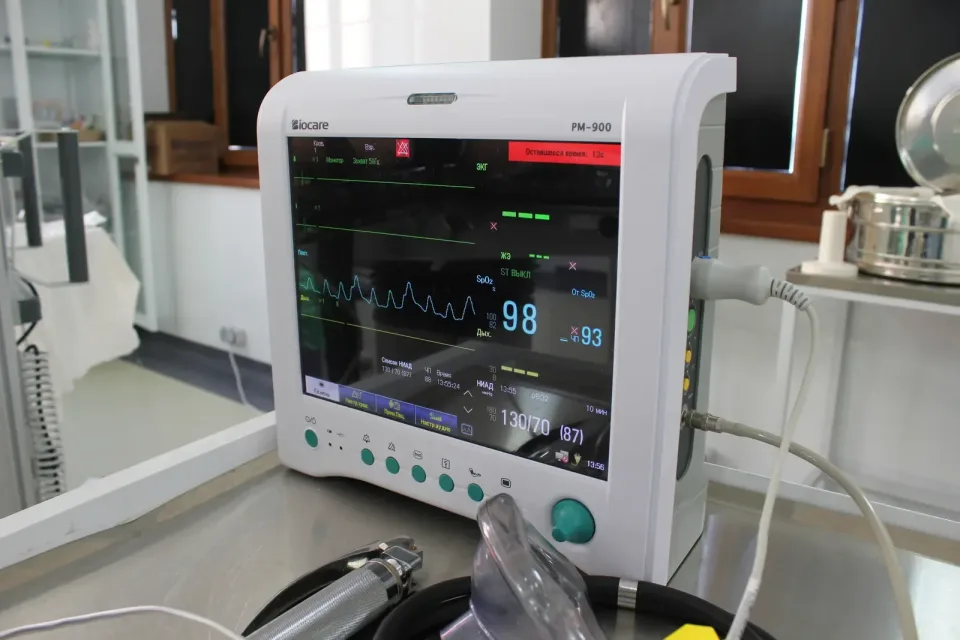
A piece of medical equipment can look right, power on, and still be the wrong thing to buy. It may be a counterfeit, a used unit sold as new, a model the manufacturer no longer supports, or a genuine device that was never meant for sale in this market. The cost shows up later, as a failed inspection, a breakdown nobody will repair, or a reading a clinician cannot trust.
Most of these problems can be caught before money changes hands. Here are seven checks any procurement officer or facility manager can run.
1. Ask where the supplier gets it
A reliable supplier can tell you whether the item comes straight from the manufacturer or through an authorised distributor, and can show a letter or certificate to prove it. Vague answers about the source are the earliest warning sign.
2. Confirm the exact model
Quotations should state the manufacturer, the model name and the model number, not just “patient monitor” or “ultrasound machine”. Look the model up on the manufacturer’s own website. If it is not listed, ask why.
3. Check the serial number with the manufacturer
Every genuine device carries a serial number on a fixed label. Many manufacturers will confirm by email whether a serial number is real, when the unit was made and which region it was sold into. A supplier with nothing to hide will give you the serial number before delivery.
4. Ask about regulatory status
In Nigeria, medical devices are regulated by NAFDAC. Ask the supplier what registration or approval applies to the product and request a copy of the document. Also ask which international quality marks the device carries and check that the certificates name the same manufacturer and model.
5. Read the label and the packaging
Genuine equipment arrives in the manufacturer’s packaging with a label that matches the device: same model, same serial number, a manufacturing date, and the manufacturer’s name and address. Misspellings, stickers placed over other stickers, missing manuals and opened seals all deserve a question.
6. Get the warranty in writing
Find out who honours the warranty, for how long, and where repairs are done. A warranty that depends on shipping the unit abroad at your cost is worth much less than one backed by an engineer who can reach your facility. Ask about spare parts and consumables too, because a device you cannot get probes or reagents for is a device you cannot use.
7. Insist on installation and a test
For anything more complex than a thermometer, agree that payment is completed only after the equipment has been installed, switched on and tested in front of the people who will use it. A short training session at handover is a reasonable thing to ask for.
Keep the paper trail
File the quotation, the invoice, the delivery note, the certificates and the warranty together. When an auditor, an inspector or a new head of department asks where a device came from, the answer should take one minute to find.
None of this requires technical training. It requires asking the questions before the payment rather than after. If you would like a second opinion on a quotation you have received, send it to us and we will tell you what we would check.